


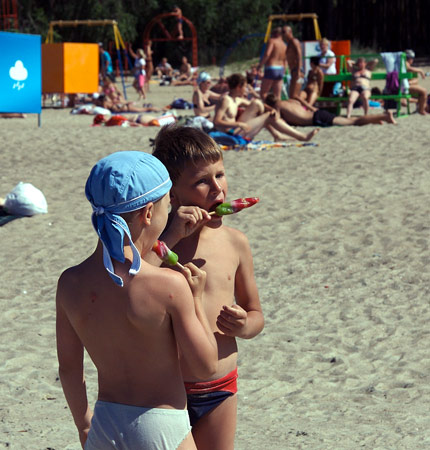
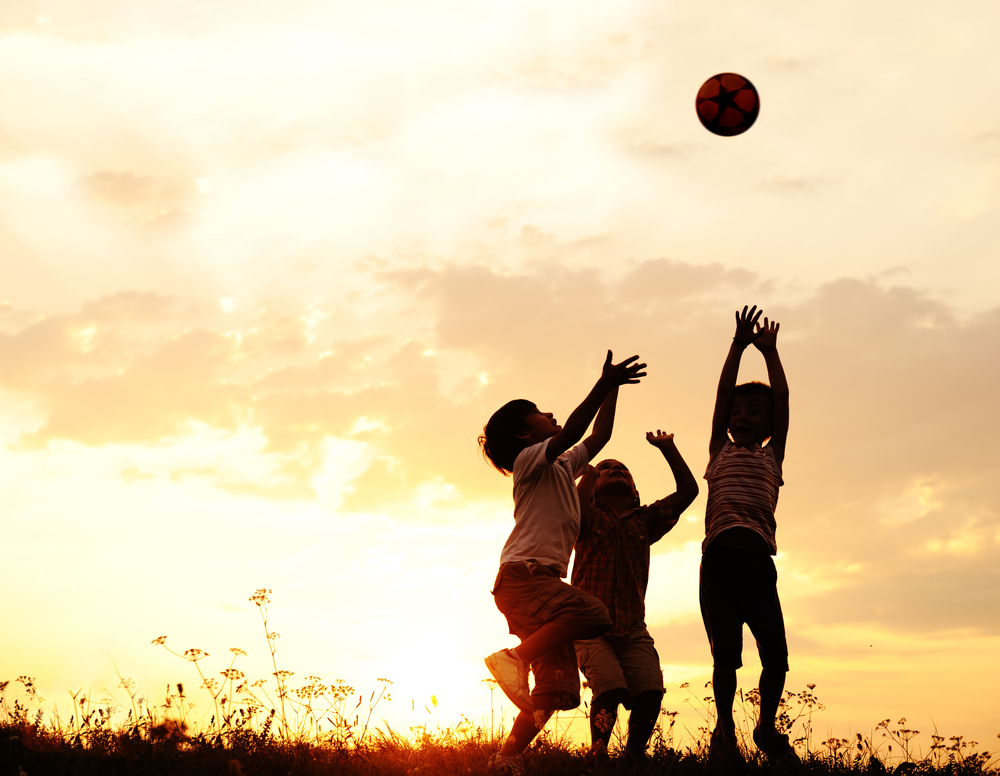
Childhood in Estonia is shaped by family relationships, education, and close connections to nature. Children grow up participating in outdoor activities, seasonal traditions, and family routines, with forests and parks providing opportunities for exploration and play. Reading, music, and storytelling are important parts of childhood, while digital technology increasingly influences learning and recreation. Experiences vary between urban communities such as Tallinn and Tartu and smaller towns and rural areas.
Home and Family Life
Parents and other caregivers often encourage children to develop independence through age-appropriate responsibilities. Children may help prepare meals, organize their belongings, or assist with household tasks. Grandparents and other relatives sometimes contribute to childcare, particularly when parents work. Estonia's Child Protection Act emphasizes children's rights to care, education, development, and protection from abuse. Local governments provide family support services and assistance when children need additional care.
Early Childhood and School Life
Municipalities must provide childcare places for children ages 1.5–3 and preschool places for children ages 3–7 when requested by parents. Preschool education follows a national curriculum emphasizing social development, language, play, and school readiness. Compulsory schooling begins in the year a child turns 7, provided the birthday falls before October 1. Basic education lasts nine years. Beginning with the 2025–2026 school year, Estonia extended its compulsory learning requirement to age 18, unless a student completes secondary or vocational education earlier. Public education is free, and the school year generally runs from September through June.
Play, Friends, and Community Life
Outdoor activities are an important part of Estonian childhood. Children enjoy hide-and-seek, skipping rope, cycling, and games in parks, forests, and playgrounds. In rural communities, children may build shelters from branches, gather berries, or explore nearby wooded areas. Organized sports, scouting, and recreational clubs provide additional opportunities for social interaction. In the southeastern Setomaa region, children may also participate in cultural activities associated with Seto traditions, including leelo (polyphonic singing).
Food and Everyday Rhythms
Children's meals commonly include porridge, rye bread, potatoes, dairy products, and seasonal fruits and vegetables. Breakfast may feature oatmeal or other grain porridge, sometimes served with berries. Traditional foods include kama (a mixture of roasted grain and legume flours), often eaten with yogurt or other dairy products. Preschools and schools provide meals according to local arrangements. Daily routines generally revolve around school, recreational activities, household responsibilities, and family meals.
Traditions and Childhood Milestones
Family celebrations, seasonal holidays, and school milestones are important parts of Estonian childhood. In some traditional accounts, children place a lost baby tooth near a stove for a mythical creature called viruskundra, hoping to receive a strong replacement tooth. The custom survives primarily in folklore rather than widespread contemporary practice. Children also celebrate Christmas, Easter, and Midsummer, known as Jaanipäev, with family gatherings and community activities. In Setomaa, local traditions include celebrations associated with Peko, a figure in Seto mythology.
Children’s Culture
Estonia has a strong tradition of children's literature, storytelling, and illustration. Contemporary author Anti Saar is known for books such as The Way Things Are with Us and How to Sit, How to Stand, which explore childhood experiences through humor and everyday situations. The Estonian Children's Literature Centre in Tallinn provides exhibitions, workshops, and reading activities, including a fairy-tale attic inspired by the book Nukitsamees (The Little Horned One). Traditional folktales and regional songs remain part of children's cultural education, alongside television, streaming services, and digital entertainment.
Responsibilities, Discipline, and Protection
Children often help with household tasks such as tidying rooms, setting the table, caring for pets, or assisting with gardening. Expectations vary according to age and family circumstances. Estonia's Child Protection Act, which took effect in 2016, explicitly prohibits physical punishment, humiliation, and other forms of child abuse. Schools increasingly use digital systems such as eKool to share information about assignments, attendance, and academic progress with students and parents. Child protection services provide support when children experience abuse, neglect, or other difficulties.
Childhood Today
Childhood in Estonia combines traditional cultural practices with modern educational and digital opportunities. Children in urban areas often have access to organized sports, cultural programs, and technology, while rural communities may provide greater opportunities for participation in seasonal agricultural activities and outdoor recreation. Family outings to forests, nature trails, and coastal areas remain popular. Reading, storytelling, community traditions, and outdoor activities continue to connect children with Estonia's cultural heritage.
Childhood at a Glance
| Indicator | Estonia |
|---|---|
| Compulsory education begins | Year child turns 7, if birthday falls before October 1 |
| Municipal preschool provision | Ages 1.5–7 guaranteed by municipality |
| Final preschool year | Follows national curriculum, issues school‑readiness certificate |
| School management system | e‑Kool digital platform links parents, students, educators |
| Tooth‑loss tradition | Placing tooth by stove; viruskundra leaves a “iron tooth” |
| Iconic children’s author | Anti Saar, writing from a child’s perspective |
| Children’s literature centre | Estonian Children’s Literature Centre in Tallinn’s Old Town |
| Legal protection against corporal punishment | Physical or mental abuse in instruction prohibited |
| Minimum general employment age | 15 years |
| Light work exceptions | Ages 7–12 in culture, art, sports, advertising with consent |
Copyright © 1993-2026 World Trade Press. All rights reserved.